
Project Description
-
Objective: To evaluate the effectiveness of COVID-19 vaccination on clinical outcomes among patients in three hospitals in Vietnam.
-
Study design: Observational study involving 3,102 confirmed COVID-19 patients.
-
Participants were categorized based on vaccination status:
-
Unvaccinated
-
Partially vaccinated (PV) – one dose
-
Fully vaccinated (FV) – two doses
-
Boosted – three doses
-
-
Key outcomes measured:
-
Mortality
-
Hospital stay duration
-
Persistent post-treatment symptoms
-
-
Analytical method: Regression modeling was used to analyze the relationship between vaccination status and outcomes.
Project Details
Results
-
Vaccination rates:
-
Unvaccinated: 43.39%
-
PV: 4.63%
-
FV: 43.93%
-
Boosted: 8.05%
-
-
Comorbidities: 48% of patients had at least one chronic condition.
-
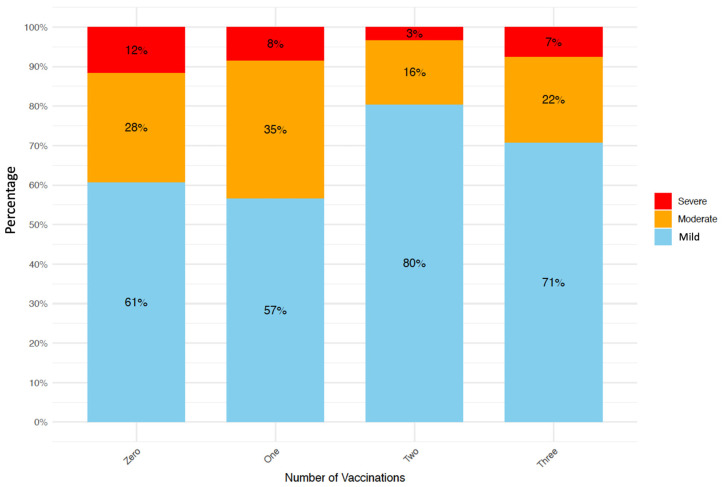
Severe disease was significantly more common in the unvaccinated group.
-
Biomarkers of organ injury, such as AST, ferritin, troponin T, proBNP, D-dimer, and urea, were elevated in unvaccinated and PV patients, indicating greater physiological stress and damage.
-
Age was the strongest predictor of critical illness, followed by:
-
Vaccination status
-
Hypertension
-
Diabetes
-
Heart disease
-
Chronic kidney disease
-
-
Mortality rates:
-
Unvaccinated: 5.2%
-
Fully vaccinated: 1.4%
-
Boosted: 0.3%
-
Goals Achivied
-
Provided real-world evidence on the protective impact of COVID-19 vaccines in a Vietnamese hospital setting.
-
Demonstrated that vaccination reduces disease severity, shortens hospital stays, and lowers mortality, especially in older adults and those with chronic illnesses.
-
Identified key predictors of severe COVID-19, supporting targeted healthcare strategies for high-risk groups.
Explore the full research here