
A metabolic model for members of the genus Tetrasphaera involved in enhanced biological phosphorus removal
- This study has achieved a Research Interest Score of 101.1 on ResearchGate, ranking in the top 2% of the most followed research items globally.
- With 220 academic citations and over 500 reads, the study reflects a strong academic impact and high relevance in its field.
- It is also among the top 2% of research published in 2013, further highlighting its long-term value and continued influence within the scientific community.
Project Description
-
-
Investigated the role of Tetrasphaera species as polyphosphate accumulating organisms (PAOs) in enhanced biological phosphorus removal (EBPR) systems.
-
Sequenced and analyzed genomes of four key Tetrasphaera isolates: T. australiensis, T. japonica, T. elongata, and T. jenkinsii.
-
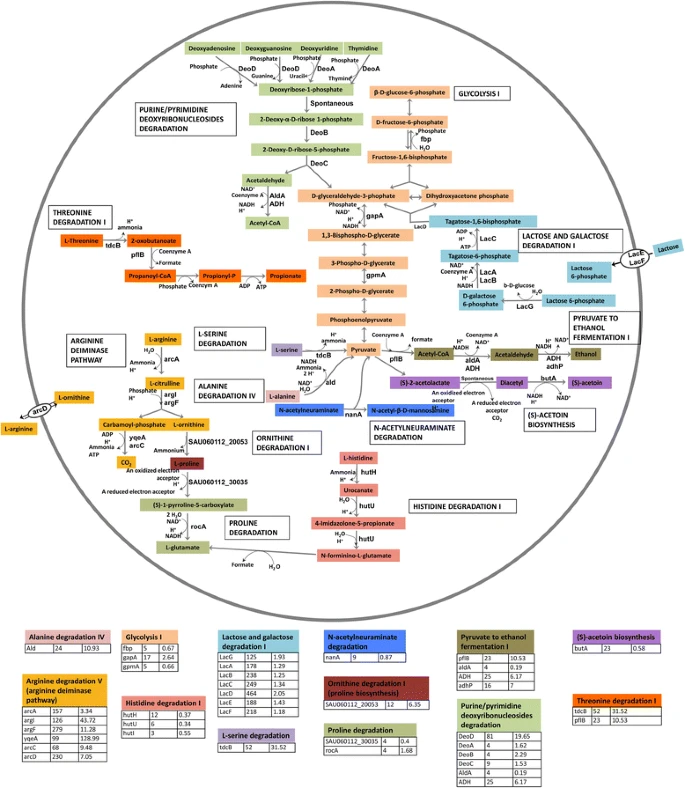
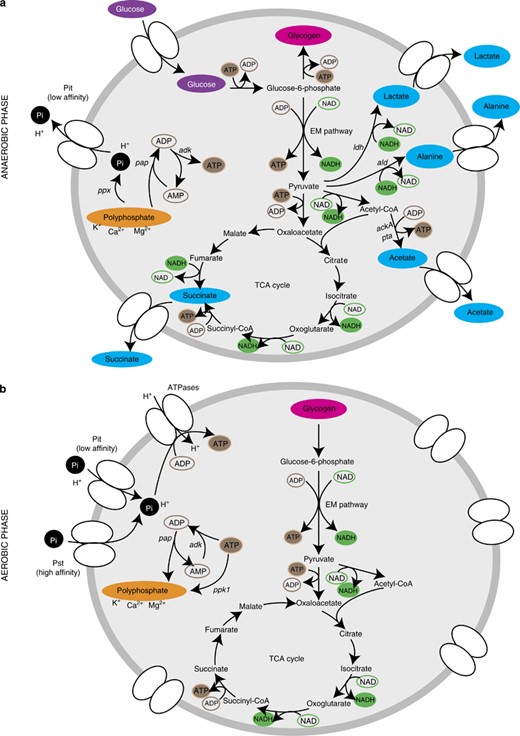
Developed detailed metabolic models focusing on carbon and phosphorus pathways under anaerobic/aerobic conditions.
-
Identified unique physiological traits: fermentation of glucose, glycogen storage, and denitrification capabilities.
-
Confirmed that Tetrasphaera PAOs differ significantly from ‘Candidatus Accumulibacter phosphatis’, suggesting distinct ecological roles in EBPR communities.
-
Findings highlight Tetrasphaera’s physiological versatility and potential for optimizing biological phosphorus removal in full-scale wastewater treatment plants.
-
Project Details
Results
-
-
Successfully reconstructed high-quality genomes of four Tetrasphaera species with >95% completeness, using de novo assembly and annotation via the MicroScope platform.
-
Identified 1283 conserved genes shared across all species, including those for core metabolic pathways: glycolysis, TCA cycle, and polyphosphate metabolism.
-
Discovered unique gene sets in each species, with up to 2924 unique genes in T. japonica, indicating high metabolic diversity.
-
All genomes showed potential for polyphosphate accumulation and degradation, with genes for both low- and high-affinity phosphate transporters.
-
Demonstrated versatile substrate uptake, including glucose, amino acids, and short-chain fatty acids, with all species carrying key transporter and activation genes.
-
Only T. japonica possessed genes for full PHA synthesis, suggesting it may use PHA as a storage polymer; all four can synthesize glycogen.
-
Revealed the ability for glucose fermentation, with species-specific end products such as lactate, alanine, succinate, and acetate.
-
Genomic evidence confirmed denitrification potential, including nitrate/nitrite reduction pathways; T. japonica also showed dissimilatory nitrate reduction to ammonia.
-
Experimental validation with T. elongata and T. japonica confirmed genomic predictions, showing:
-
Glucose uptake and phosphate release under anaerobic conditions.
-
Phosphate uptake and glycogen consumption in the aerobic phase.
-
T. elongata showed a typical PAO phenotype, releasing ~19 mgP/g dry biomass anaerobically and reabsorbing ~16 mgP/g in the aerobic phase.
-
T. japonica synthesized PHA anaerobically from glucose and completely reduced nitrate within 48 hours.
-
-
Goals Achivied
-
Sequenced genomes of four Tetrasphaera isolates (T. australiensis, T. elongata, T. japonica, and T. jenkinsii) to explore their metabolic capabilities.
-
Developed a new metabolic model for Tetrasphaera based on genomic data and experimental validation.
-
Demonstrated the metabolic versatility of Tetrasphaera, including abilities to ferment, store glycogen, and accumulate polyphosphate under EBPR conditions.
-
Showed that dominant Tetrasphaera species in full-scale plants can be active in both anaerobic and aerobic phases, contributing to enhanced phosphorus removal.
-
Provided insights into key differences between Tetrasphaera and Accumulibacter, highlighting their complementary roles in EBPR systems.
-
Built a foundation for future studies on gene regulation, niche differentiation, and process optimization in wastewater treatment.
Explore the full research here