
Project Description
-
Analyzed the distribution of SARS-CoV-2 genetic clades over time and across countries in the WHO European Region.
-
Applied three major genomic nomenclature systems to all publicly available sequence data up to 10 July 2020.
-
Emphasized the importance of real-time sequencing and data sharing during a pandemic.
-
Provided a comparison of existing genomic classification systems to support consistent tracking.
-
Laid the groundwork for future genomic surveillance efforts across Europe.
Project Details
Results
Genomic Surveillance of SARS-CoV-2 During the COVID-19 Pandemic
-
Enabled real-time whole genome sequencing (WGS) during the early stages of the COVID-19 pandemic – the first global health crisis where this technology was widely applied.
-
Contributed to the collection of over 63,000 complete genome sequences on GISAID by July 2020, with 39,000 from 35 countries in the WHO European Region.
-
Demonstrated the feasibility of rapid genome data sharing, with 8% of sequences published within 2 weeks of sample collection.
-
Supported the use and comparison of multiple clade and lineage nomenclature systems (Nextstrain, GISAID, and cov-lineages.org), helping to streamline communication and track outbreaks effectively.
-
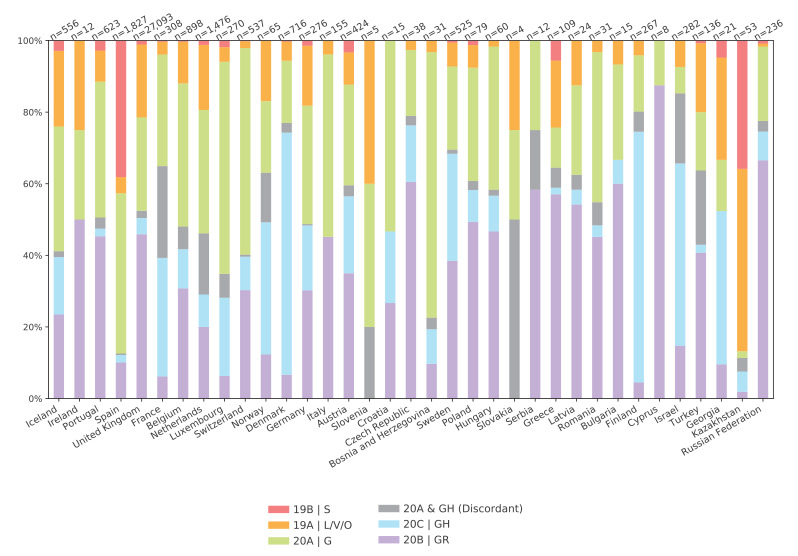
Analyzed the evolution and distribution of viral clades over time and across regions, highlighting shifts in dominant variants such as clades 20A/G, 20B/GR, and 20C/GH.
-
Applied robust bioinformatics tools including MAFFT, IQ-Tree, and Pangolin, ensuring accurate phylogenetic analysis and data curation.
-
Addressed critical challenges in data standardization, naming conventions, and data privacy compliance (e.g. GDPR), contributing to international efforts in genomic epidemiology.
Goals Achivied
-
Applied standardized virus nomenclatures to the European SARS-CoV-2 dataset, enabling consistent tracking of clades and lineages across countries and over time.
-
Mapped geographical and temporal trends of major SARS-CoV-2 variants during the first half of 2020 to inform regional public health strategies.
-
Identified key genomic surveillance objectives at the European level, including tracking variant introductions, transmission dynamics, and mutation impacts.
-
Assessed the potential influence of genetic changes on diagnostic performance, including both molecular and serological tests.
-
Contributed to the foundation for evaluating the future effects of mutations on antiviral drug efficacy and potential vaccine escape risks.
-
Demonstrated the importance of rapid and representative genome sequencing for real-time outbreak analysis, such as tracing events in Beijing and mink farms in the Netherlands.
-
Showcased the benefits of early data sharing through platforms like GISAID, supporting quick response measures and continuous viral monitoring.
-
Highlighted the need for flexible surveillance guidance tailored to varying capacities among European countries to ensure equitable and effective genomic monitoring.
Explore the full research here