Bioinfomatic

Cover - The Impact of Vaccination on COVID-19 Outcomes in Vietnam

The Impact of Vaccination on COVID-19 Outcomes in Vietnam

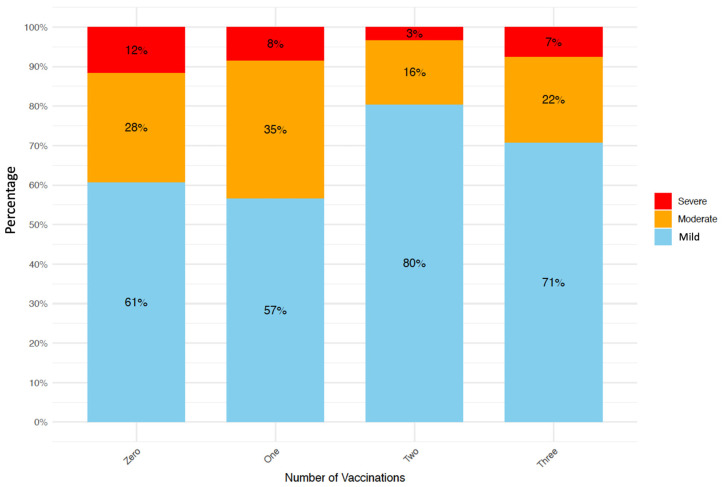
[cl_column width="1/2"][cl_media image=https://www.microbiologyresearch.org/docserver/fulltext/micro/158/7/058818-f3.gif][cl_column_inner width="1/2"][cl_column_inner width="1/2"][cl_column width="1/2"] The Impact of Vaccination on COVID-19 Outcomes in Vietnam Project Description Objective: To evaluate the effectiveness of COVID-19 vaccination on clinical outcomes among patients in three hospitals in Vietnam. Study design: Observational study involving 3,102 confirmed COVID-19 patients. Participants were categorized based on vaccination status: Unvaccinated Partially vaccinated (PV) – one dose Fully vaccinated (FV) – two doses Boosted [...]
Continue Reading
Cover - Metabolic signature of COVID-19 progression: potential prognostic markers for severity and outcome

Metabolic signature of COVID-19 progression: potential prognostic markers for severity and outcome

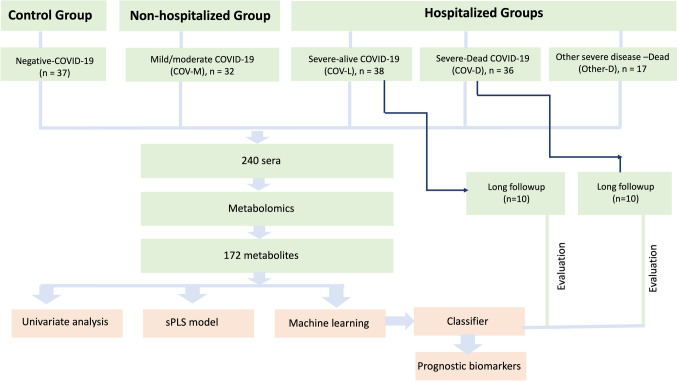
[cl_column width="1/2"][cl_media image=https://www.microbiologyresearch.org/docserver/fulltext/micro/158/7/058818-f3.gif][cl_column_inner width="1/2"][cl_column_inner width="1/2"][cl_column width="1/2"] Metabolic signature of COVID-19 progression: potential prognostic markers for severity and outcome Project Description The study addresses the challenge of predicting which COVID-19 patients may develop severe symptoms or face a fatal outcome. Researchers used untargeted ¹H NMR-based metabolomics to analyze 240 serum samples from a Danish cohort, including 106 COVID-19 patients with varying disease severity and patients who [...]
Continue Reading
Cover - ‘Candidatus Pseudomonas Phosphatis’, a novel Polyphosphate-Accumulating Organism in Full-Scale Enhanced Biological Phosphorus Removal Plants

‘Candidatus Pseudomonas Phosphatis’, a novel Polyphosphate-Accumulating Organism in Full-Scale Enhanced Biological Phosphorus Removal Plants

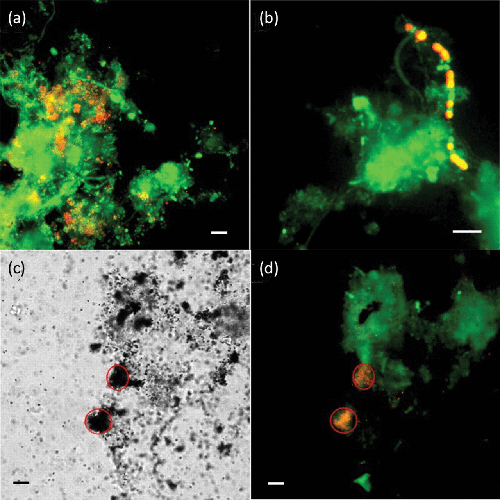
[cl_column width="1/2"][cl_media image=https://www.microbiologyresearch.org/docserver/fulltext/micro/158/7/058818-f3.gif][cl_column_inner width="1/2"][cl_column_inner width="1/2"][cl_column width="1/2"] ‘Candidatus Pseudomonas Phosphatis’, a novel Polyphosphate-Accumulating Organism in Full-Scale Enhanced Biological Phosphorus Removal Plants   Project Description Applied Microautoradiography combined with Fluorescence In Situ Hybridization (MAR-FISH) to investigate key microorganisms involved in biological phosphorus removal in full-scale wastewater treatment plants. Focused on identifying uncultured Pseudomonas species with potential as polyphosphate-accumulating organisms (PAOs). Developed and used novel oligonucleotide probes targeting [...]
Continue Reading
Cover - Metabolism and ecological niche of Tetrasphaera and Ca. Accumulibacter in enhanced biological phosphorus removal

Metabolism and ecological niche of Tetrasphaera and Ca. Accumulibacter in enhanced biological phosphorus removal

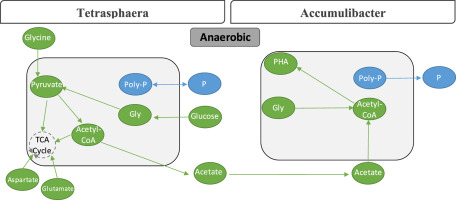
[cl_column width="1/2"][cl_media image=https://www.microbiologyresearch.org/docserver/fulltext/micro/158/7/058818-f3.gif][cl_column_inner width="1/2"][cl_column_inner width="1/2"][cl_column width="1/2"] Metabolism and ecological niche of Tetrasphaera and Ca. Accumulibacter in enhanced biological phosphorus removal This study has earned a Research Interest Score of 68.5 on ResearchGate, placing it in the top 3% of the most followed research items worldwide. Published in 2017, the study ranks in the top 2% of all research published that year, underscoring its enduring relevance. [...]
Continue Reading
Cover - Population dynamics of bacteria involved in enhanced biological phosphorus removal in Danish wastewater treatment plants

Population dynamics of bacteria involved in enhanced biological phosphorus removal in Danish wastewater treatment plants

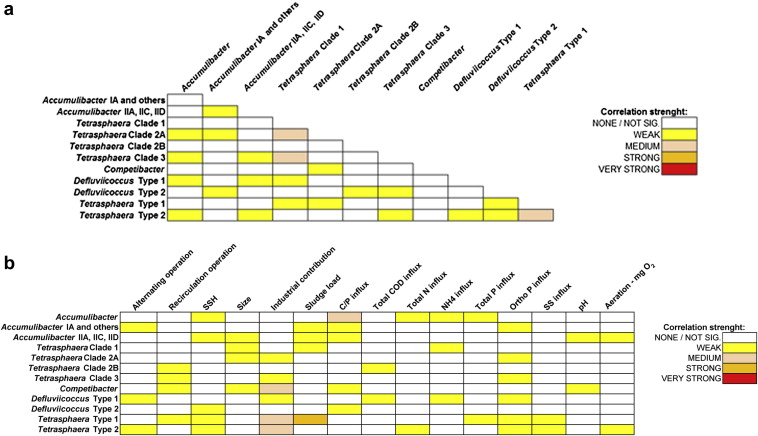
[cl_column width="1/2"][cl_media image=https://www.microbiologyresearch.org/docserver/fulltext/micro/158/7/058818-f3.gif][cl_column_inner width="1/2"][cl_column_inner width="1/2"][cl_column width="1/2"] Population dynamics of bacteria involved in enhanced biological phosphorus removal in Danish wastewater treatment plants   Project Description Conducted a three-year study on the microbial communities involved in Enhanced Biological Phosphorus Removal (EBPR) across 28 Danish municipal wastewater treatment plants. Used Fluorescence In Situ Hybridization (FISH) to quantify ten key populations of polyphosphate-accumulating organisms (PAOs) and glycogen-accumulating organisms (GAOs). [...]
Continue Reading
Cover - In vivo gene expression in a Staphylococcus aureus prosthetic joint infection characterized by RNA sequencing and metabolomics: a pilot study

In vivo gene expression in a Staphylococcus aureus prosthetic joint infection characterized by RNA sequencing and metabolomics: a pilot study

[cl_column width="1/2"][cl_media image=https://www.microbiologyresearch.org/docserver/fulltext/micro/158/7/058818-f3.gif][cl_column_inner width="1/2"][cl_column_inner width="1/2"][cl_column width="1/2"] In vivo gene expression in a Staphylococcus aureus prosthetic joint infection characterized by RNA sequencing and metabolomics: a pilot study   Project Description Investigated Staphylococcus aureus gene expression and metabolism in a prosthetic joint infection with acute presentation. Combined deep RNA sequencing and NMR-based metabolomics to study the bacterial transcriptome and joint fluid metabolome in vivo. Compared in vivo findings with [...]
Continue Reading
Cover - Whole-exome sequencing identifies a GREB1L variant in a three-generation family with Müllerian and renal agenesis: a novel candidate gene in Mayer–Rokitansky–Küster–Hauser (MRKH) syndrome. A case report

Whole-exome sequencing identifies a GREB1L variant in a three-generation family with Müllerian and renal agenesis: a novel candidate gene in Mayer–Rokitansky–Küster–Hauser (MRKH) syndrome. A case report

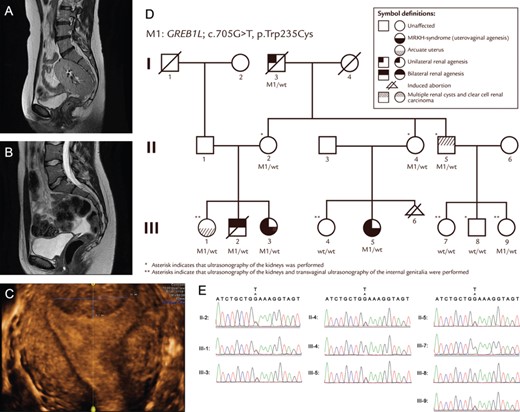
[cl_column width="1/2"][cl_media image=https://www.microbiologyresearch.org/docserver/fulltext/micro/158/7/058818-f3.gif][cl_column_inner width="1/2"][cl_column_inner width="1/2"][cl_column width="1/2"] Whole-exome sequencing identifies a GREB1L variant in a three-generation family with Müllerian and renal agenesis: a novel candidate gene in Mayer–Rokitansky–Küster–Hauser (MRKH) syndrome. A case report   Project Description Explored the genetic cause of Mayer–Rokitansky–Küster–Hauser (MRKH) syndrome, a rare disorder characterized by uterovaginal agenesis in 46,XX women. Investigated a unique three-generation family with two female members affected by MRKH and unilateral [...]
Continue Reading
Cover - Geographical and temporal distribution of SARS-CoV-2 clades in the WHO European Region, January to June 2020

Geographical and temporal distribution of SARS-CoV-2 clades in the WHO European Region, January to June 2020

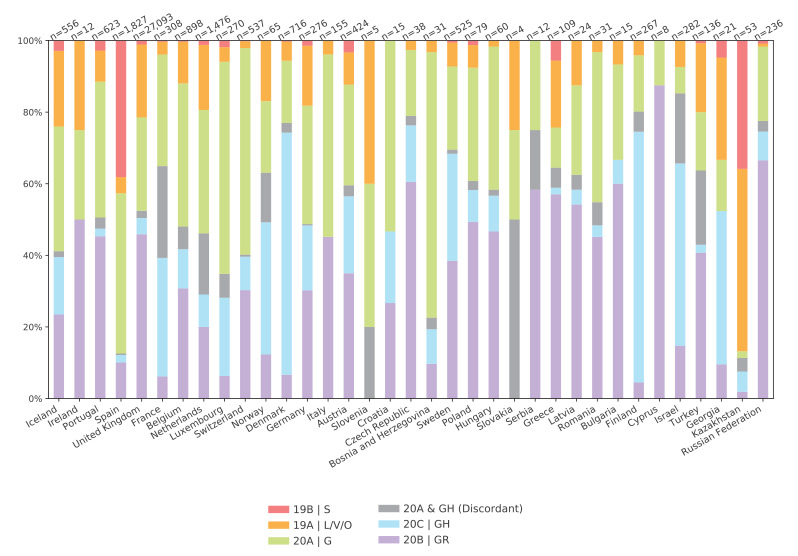
[cl_column width="1/2"][cl_media image=https://www.microbiologyresearch.org/docserver/fulltext/micro/158/7/058818-f3.gif][cl_column_inner width="1/2"][cl_column_inner width="1/2"][cl_column width="1/2"] Geographical and temporal distribution of SARS-CoV-2 clades in the WHO European Region, January to June 2020   Project Description Analyzed the distribution of SARS-CoV-2 genetic clades over time and across countries in the WHO European Region. Applied three major genomic nomenclature systems to all publicly available sequence data up to 10 July 2020. Emphasized the importance of real-time sequencing [...]
Continue Reading
Cover - A metabolic model for members of the genus Tetrasphaera involved in enhanced biological phosphorus removal

A metabolic model for members of the genus Tetrasphaera involved in enhanced biological phosphorus removal

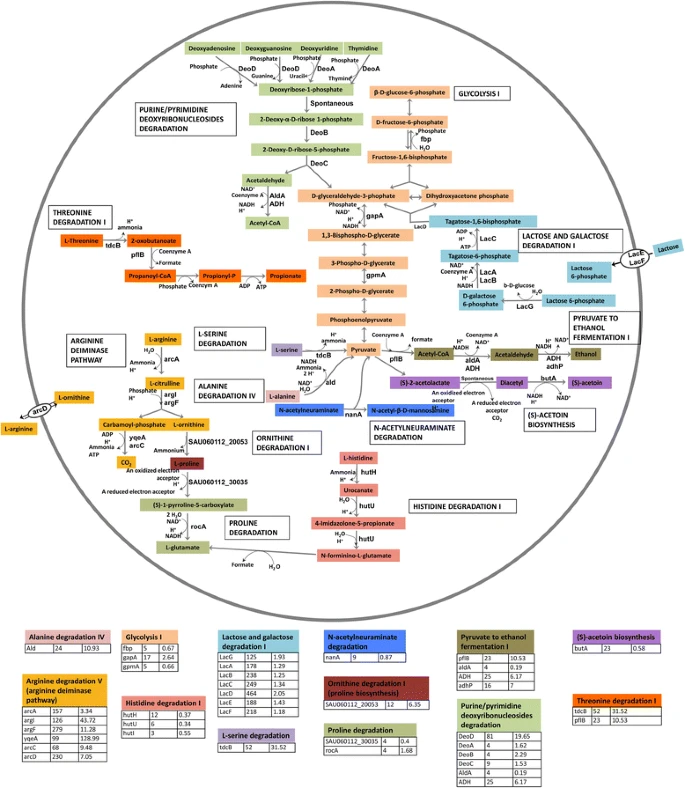
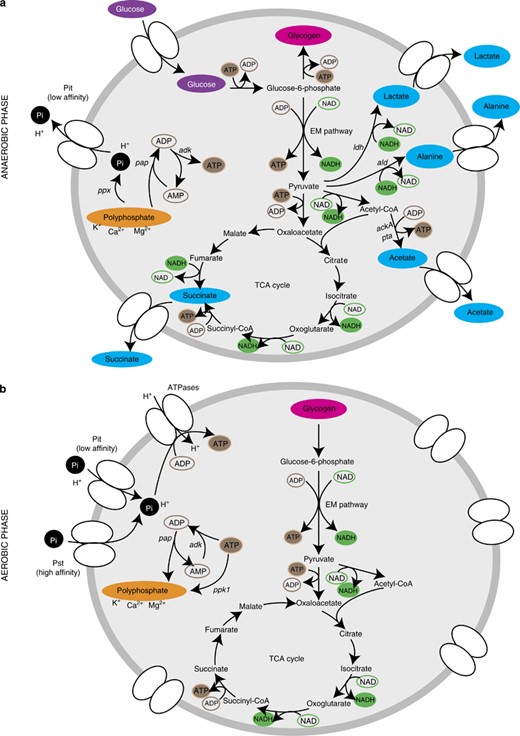
[cl_column width="1/2"][cl_media image=https://www.microbiologyresearch.org/docserver/fulltext/micro/158/7/058818-f3.gif][cl_column_inner width="1/2"][cl_column_inner width="1/2"][cl_column width="1/2"] A metabolic model for members of the genus Tetrasphaera involved in enhanced biological phosphorus removal   This study has achieved a Research Interest Score of 101.1 on ResearchGate, ranking in the top 2% of the most followed research items globally. With 220 academic citations and over 500 reads, the study reflects a strong academic impact and high relevance in its field. [...]
Continue Reading
Cover - Identification of glucose-fermenting bacteria in a full-scale enhanced biological phosphorus removal plant by stable isotope probing

Identification of glucose-fermenting bacteria in a full-scale enhanced biological phosphorus removal plant by stable isotope probing

[cl_column width="1/2"][cl_media image=https://www.microbiologyresearch.org/docserver/fulltext/micro/158/7/058818-f3.gif][cl_column_inner width="1/2"][cl_column_inner width="1/2"][cl_column width="1/2"] Identification of glucose-fermenting bacteria in a full-scale enhanced biological phosphorus removal plant by stable isotope probing   Project Description Conducted an in-depth microbiological analysis of activated sludge in a full-scale EBPR (Enhanced Biological Phosphorus Removal) wastewater treatment plant. Identified key glucose-fermenting bacteria using advanced RNA-based stable isotope probing (RNA-SIP). Designed and applied specific FISH probes to precisely detect and [...]
Continue Reading